
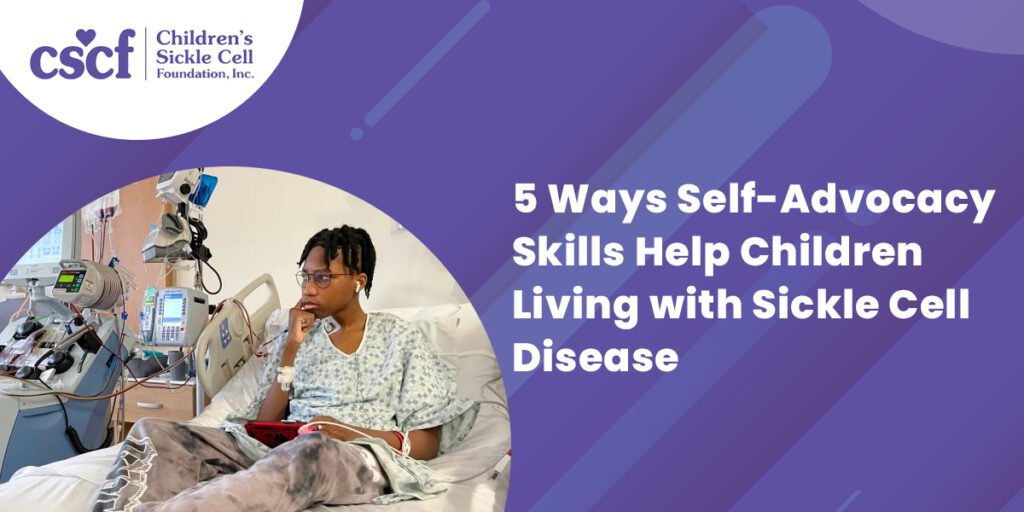
Living with sickle cell disease (SCD) goes beyond managing symptoms; it requires speaking up for your needs. To effectively communicate one’s needs is among the major necessities that patients should have. Self-advocacy is a lifelong skill that empowers them to take control of their care.
It helps patients to explain their condition, ask questions, and make decisions. Let’s explore five ways learning self-advocacy can positively impact children and their families.
Self‑Advocacy Skills: Helping Children with SCD
Parents and caregivers must invest time to help their children suffering from sickle cell disease develop self-advocacy skills. This assists them in building confidence and reducing feelings of helplessness. Here are the major advantages of developing these skills:
1. Builds Awareness and Confidence
Self-advocacy begins with awareness. Patients can benefit from learning age‑appropriate information about their condition so they can better understand what they experience. You can play an important role by encouraging children to describe how they feel and take part in simple care decisions.
Small actions can make a meaningful difference. Children can practice telling a trusted adult when they feel tired or uncomfortable. For instance, they can learn to explain to teachers why they may need water breaks, rest periods, or flexibility during school activities.
2. Encourages Independence During Adolescence
Teenagers can gradually take more responsibility for their health by tracking symptoms, learning, and asking about medications. Developing self-advocacy skills during this phase helps them communicate directly with healthcare providers while still receiving parental support. This prepares them for managing their health as adults. Furthermore, teens may also need to advocate for themselves in school, sports, and social settings.
3. Improves Communication
Many interactions with healthcare professionals occur during emergencies, when children may already be experiencing pain or discomfort. In these circumstances, communicating clearly can be difficult but immensely important.
Practicing communication skills ahead of time can help children feel more prepared. You can role‑play scenarios by encouraging your child to describe their symptoms and pain levels. These skills help them feel more confident even in stressful situations.
4. Smooth Transition to Adult Healthcare
Moving from pediatric care to adult healthcare can be challenging. Children who develop advocacy skills early are better prepared for this transition. As they grow older, they can learn about their medical history, understand treatment options, and make informed decisions.
Some healthcare agencies offer transition programs designed to help teens prepare for adult care. Families should join such campaigns early and encourage their kids to gradually take on more responsibility.
5. Beyond Medical Care
As children grow into adults, they may need to request accommodations in college, the workplace, or society. Confidence in communicating needs helps them to balance health while achieving personal goals. It also allows them to make informed decisions about sharing their condition and seeking support when needed.
Strong self-advocacy skills empower individuals to pursue education and careers while managing their health responsibly.
End Note
Self-advocacy is not about developing a single skill, but rather a growing list of abilities that come with age and experience. Each step empowers SCD-affected children to live fuller, more self-empowered lives. By developing self-advocacy skills, your lovely kid se can better communicate their needs and pursue their goals with confidence. At Children’s Sickle Cell Foundation, we arrange wellness programs for sickle cell patients to train them to develop skills to live an independent life. Join our support sessions and learn how to empower oneself.