
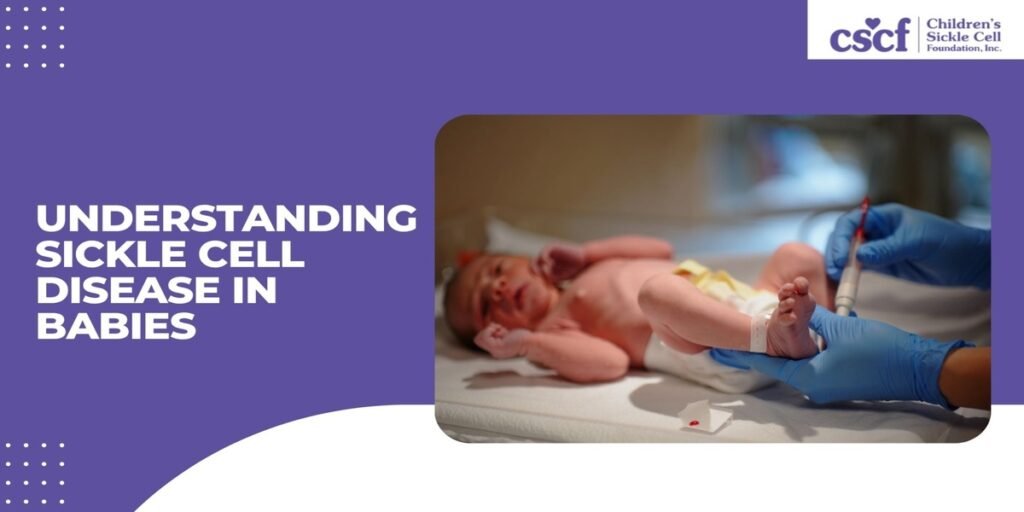
Sickle cell disease is a condition where the red blood cells in the body are irregular and stiff. It’s shaped like the letter C. Red blood cells need to be round and flexible so that it doesnt disrupt circulation. In the US, approximately 10,000 people live with sickle cell disease, with the majority being black Americans.
September being recognised as National Sickle Cell Awareness month, it is quite vital to understand the condition and how it may affect pregnancy, and also the foetus’s health. Increased awareness and understanding can help expectant parents make informed decisions and seek out early testing, which will help in the future.
Who has a Higher Chance of Sickle Cell Disease?
About 2,000 babies are born with sickle cell disease each year. In many cases, the condition is diagnosed at birth.
In the United States, sickle cell disease commonly affects people of African descent, making it prevalent among black communities. It can also affect individuals of Hispanic, Caribbean, Middle Eastern, and South Asian backgrounds.
A baby is at a higher risk when both parents are carriers, and there is a greater chance that the fetus might develop sickle cell disease. It is not revealed until it’s very late, so it’s better for new parents or couples who are planning children to go through early screening, family history reviews, and prenatal screenings to understand potential risks during pregnancy.
Can Sickle Cell Disease Affect Pregnancy?
With regular prenatal care, many people with sickle cell disease can have a healthy pregnancy. However, sickle cell disease can increase certain health complications and risks during pregnancy compared to those without the condition.
Might include sharp pain episodes, infections, low weight of the baby, premature birth, or even miscarriage. Pregnancy might also make the sickle cell symptoms more severe. Leading to being in a condition of perpetual pain for hours to days, and even longer.
Understanding the Early Signs in the Prenatal Stage
The only way to learn whether one has sickle cell disease or its traits via a blood test. In the US, when children are born, they are routinely screened, but many adults may not know their status unless they have been specifically tested. Blood tests are important so that preventive measures can be taken early on, and also allow healthcare counselors to monitor potential complications early on.
Questions to Ask the Doctor
For couples planning pregnancy or mothers already pregnant, asking a healthcare professional or a doctor can clear up a lot of things.
- Should both partners need to be checked for sickle cell disease?
- What blood test to go for regarding the sickle cell test?
- Is sickle cell testing based on family background or just the individual?
Prenatal Screenings to Consider
- NIPT (Non-invasive Prenatal Testing)- A blood test that screens chromosomal abnormalities.
- Chronic Villus Sampling: Performed early in pregnancy, this diagnostic test can detect whether the baby has sickle cell disease.
- Amniocentesis: Usually performed later in pregnancy, this test analyzes amniotic fluid to diagnose sickle cell disease or other genetic conditions.
- Preimplantation Genetic Testing (PGT): For families using IVF, embryos can sometimes be screened for sickle cell disease before implantation.
- Maternal-Fetal Medicine Consultation: High-risk pregnancy specialists may recommend additional surveillance if the pregnant parent has sickle cell disease.
Postpartum Care For Mothers With Sickle Cell
After childbirth, mothers with sickle cell anemia would need around-the-clock care for the risk of pain crises, infections, blood clots, and anemia.
- Managing Pain Safely: Postpartum Pain and Sickle Cell Pain Episodes may require a personalised pain management plan that is safe for recovery and breastfeeding.
- Preventing Blood Clots: Early movement, compression devices, or prescribed medications may be recommended based on the risk level.
- Monitor for infection: Fever, unusual pain, or signs of wound infection should be addressed quickly, as it might become serious.
Conclusion
Sickle cell can affect pregnancy, but being informed and planning properly for the entire course of pregnancy, and attentive postpartum care can improve the outcome for both the mother and the child. With the right medical support and support from family and partner, mothers can navigate safely and recover well while protecting their health and also protecting their baby’s future successfully .
