
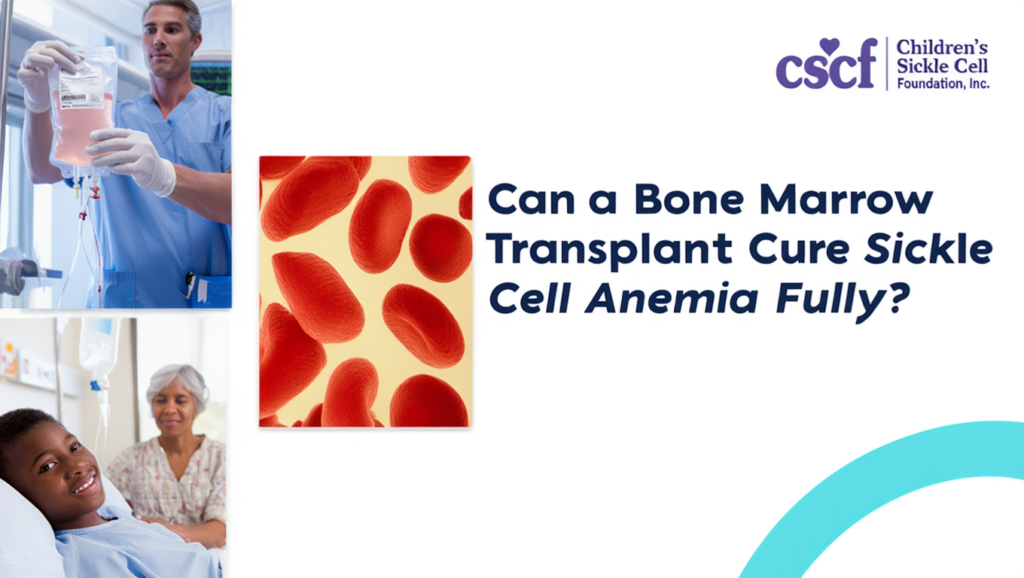
Living with a lifelong blood disorder like sickle cell disease(SCD) can affect every part of a child’s health. The most common type of SCD is sickle cell anaemia (SCA), which blocks or hampers the supply of oxygen-carrying blood. Currently, the only cure for sickle cell anaemia is bone marrow transplantation (BMT).
However, most families raise one important question: whether it offers a true cure? Let us discuss how bone marrow transplantation acts as a breakthrough treatment method for this dangerous disease.
Understanding Sickle Cell Anaemia
Sickle cell disease has different types, and the most common is sickle cell anaemia. It is an inherited blood disorder that means the symptoms are passed to children from their parents. This affects hemoglobin in red blood cells, which carries oxygen throughout the body.
Red blood cells with abnormal hemoglobin become stiff and curved instead of round and smooth. It is difficult for these misshapen cells to pass through the blood arteries. As a result, less oxygen is delivered, leading to pain, recurrent infections, fatigue, and damage to important organs, including the brain, kidneys, and lungs.
Bone Marrow Transplantation: A Brief Overview
Bone marrow is actually the soft tissue found inside bones where blood cells are produced. People with SCD have bone marrow stem cells that produce abnormal red blood cells that contain defective sickle hemoglobin. A bone marrow transplant (BMT) is a medical procedure that infuses healthy blood-forming stem cells into the body.
It replaces bone marrow that is not producing enough healthy blood cells. If your bone marrow fails to produce enough healthy blood cells, you may require this treatment procedure. In BMT, abnormal stem cells residing in bone marrow are replaced with healthy cells from your own body or a donor.
How does Bone Marrow Transplantation Work for SCA?
A bone marrow transplantation is one of the only treatment options to cure sickle cell anemia. Also known as a blood stem cell transplant, it works by replacing unhealthy blood-forming stem cells with healthy ones from a donor.
Here is how the transplant process works:
Preparation:
The process begins with chemotherapy to eliminate or reduce the unhealthy blood-forming cells and prepare the patient’s body to receive donor cells.
Transplant:
Now, healthy stem cells from a matched donor are given through an intravenous line, similar to a blood transfusion. These cells travel to the bone marrow, where they start producing healthy red blood cells despite the presence of sickle-shaped cells.
Recovery:
Recovery after the treatment can take several months. Patients may need to stay at or near the transplant center and require ongoing support from the healthcare team.
A bone marrow transplantation can prevent sickle cell anemia from causing more harm. However, it cannot undo organ damage or long-term complications that have already occurred.
End Note
Bone marrow transplant is a proven curative treatment option for sickle cell disease and works very well in children. A safe and effective BMT process for treating sickle cell disease could greatly increase the cure rate. It is crucial for families to always consult specialists before making a decision, who will explore all available options and the associated risks.
That’s where the Children’s Sickle Cell Foundation, Inc. comes to help educate parents on how to manage this life-threatening disease. Join our family support programs today to help your child fight sickle cell anemia.
